Introduction
Nicotine, a substance often surrounded by controversy, has sparked discussions ranging from health implications to addiction potential. As society evolves in its understanding of substances like nicotine and tobacco products—like snus, velo snus, or even iceberg snus—misconceptions continue to proliferate. This article aims to delve deep into the various myths surrounding nicotine and addiction, providing clarity and accurate information.
Let’s navigate through the intricacies of nicotine addiction, explore different forms of tobacco products, and ultimately dispel common misconceptions about nicotine and addiction.
Dispelling Common Misconceptions About Nicotine and Addiction
What is Nicotine?
Nicotine is a naturally occurring alkaloid found in the nightshade family of plants. Primarily associated with tobacco, it is known for its psychoactive properties that can lead to addiction. Many people wonder if snus or other products containing nicotine are as addictive as traditional cigarettes.
The Nature of Nicotine Addiction
Nicotine's addictive nature comes from its ability to stimulate the release of dopamine in the brain, creating feelings of pleasure and reward. However, not everyone who uses nicotine will develop an addiction. Factors such as genetics, psychological state, and environmental influences play significant roles.
Different Forms of Nicotine Products
Snus: A Swedish Tradition
Snus, which originated in Sweden, is a smokeless tobacco product placed between the upper lip and gum. It delivers nicotine without combustion. Users often ask: Is snus bad for you? While some studies suggest reduced risks compared to smoking cigarettes, it's essential to consider potential health implications like snus side effects.
Velo Snus: A Modern Alternative
Velo snus is a newer brand of nicotine pouches that has gained popularity among users looking for smoke-free options. Unlike traditional snus, these pouches do not contain tobacco but provide a similar experience with varying levels of nicotine.

Iceberg Snus: A Unique Flavor Experience
Iceberg snus offers a refreshing flavor profile that appeals to many users. It combines traditional ingredients with minty flavors for a unique experience. But what does iceberg snus do? It provides an enjoyable way to consume nicotine without smoke while also delivering flavor.
Is Snus Bad for You?
The question remains: Is snus bad for you? While research indicates potentially lower risks than smoking cigarettes, it’s crucial to remember that no product containing nicotine is entirely risk-free. Long-term effects can still lead to health problems.
The Strongest Snus on the Market
When exploring options like siberia snus, often touted as one of the strongest types available, consumers should be cautious about dosage and individual tolerance levels. The strength of these products can lead to increased dependency.
Understanding Snus Meaning in Modern Context
The term snus refers not only to its Swedish roots but https://500mg-snus-swta225732981411753892.yousher.com/is-13mg-of-nicotine-in-snus-considered-strong has evolved into a broader category encompassing various smokeless tobacco products worldwide. Understanding this can help clarify misconceptions about what constitutes "tobacco" versus "smokeless."
How to Use Snus Safely
Using snus requires certain best practices:
Select Your Product Wisely: Ensure you know your preferred type—whether it's traditional or modern alternatives like Velo. Read Dosage Instructions: Pay attention to how much nicotine you're consuming. Store Properly: Keep your snus fresh by storing it correctly. Monitor Your Body's Reaction: Be aware of any adverse effects like dizziness or nausea.Addressing Myths About Nicotine Dependency
Myth #1: All Tobacco Products Are Equally Addictive
This statement oversimplifies the complexities surrounding various forms of tobacco use. For instance, while traditional cigarettes may have higher addiction rates due to rapid absorption into the bloodstream through smoke inhalation, products like snus have different dynamics at play.
Myth #2: Quitting Cold Turkey is Always Effective
Many believe quitting cold turkey is the only way; however, research shows that gradual reduction strategies can also be effective for some individuals.
The Science Behind Nicotine Addiction
To understand why people become addicted to nicotine, we must delve into neuroscience:
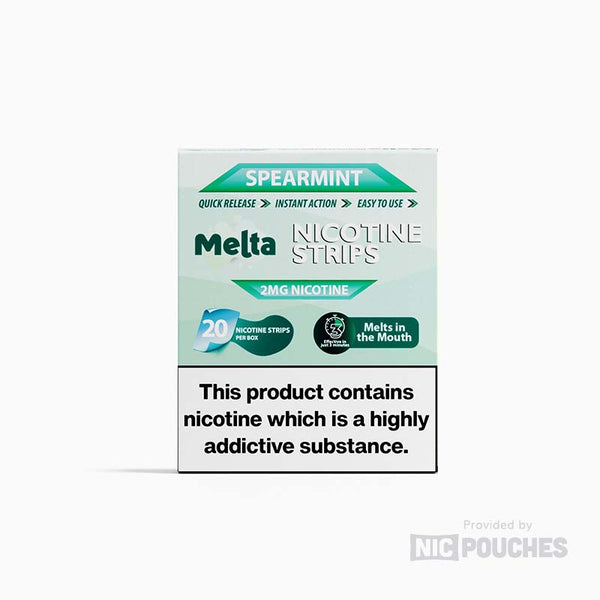
- Dopaminergic Pathways: When nicotine enters the bloodstream, it activates receptors linked with pleasure. Withdrawal Symptoms: Upon cessation, individuals may experience irritability and cravings due to neurochemical changes.
Psychological Factors in Nicotine Addiction
It's not just about chemistry; psychological factors significantly influence one's relationship with nicotine:
- Social settings Stress management Habitual behaviors
Understanding these elements can help tailor effective cessation strategies.
Exploring Alternatives: Beyond Traditional Tobacco
The Rise of Non-Tobacco Nicotine Products
Products like Velo represent a shift toward non-tobacco-based options that still deliver satisfying experiences without some associated risks found in traditional forms.
What Does Snus Do To Your Body?
While delivering nicotine without smoke inhalation seems beneficial initially, users should remain cognizant of other effects:
- Increased heart rate Potential gum issues Long-term dependence
FAQs About Nicotine and Addiction
1. Is Snus Illegal?
In many countries outside Sweden, particularly within the EU (except Sweden), selling snus is illegal due to health regulations governing smokeless tobacco.
2. What Are Common Side Effects Associated with Snus Use?
Common side effects include mouth irritation, nausea during initial use stages, and potential dental issues over time if used excessively.
3. How Do I Know If I'm Addicted?
Signs include compulsive use despite wanting to quit or experiencing withdrawal symptoms when not using it.
4. Can I Use Snus As A Cessation Tool?
Some people use it as an alternative method for quitting smoking; however, consult healthcare professionals before relying on any product for cessation purposes.
5. How Does Strongest Snus Compare To Other Forms?
Strength varies significantly across types; thus strong varieties could lead quickly toward increased dependency compared with milder alternatives.
6. What Should I Look For When Choosing a Snuff Product?
Focus on reputable brands with transparent ingredient lists along with user reviews regarding taste/experience!
Conclusion
Understanding the nuances around nicotine and its addictive properties helps dispel common misconceptions about this controversial substance. By examining different forms such as snus—traditional or modern—and their respective impacts on health and addiction potential (including answers provided above), consumers are better equipped to make informed decisions regarding their usage patterns regarding these products while keeping personal well-being at forefront consideration!
As we continue navigating through evolving perceptions around substances like vaping vs smoking versus smokeless alternatives (like those mentioned throughout), keeping abreast factual information empowers healthier choices overall—ultimately contributing toward improved quality life free from unnecessary dependencies!